Advertorial by Halden Cookware
Dr. Laura Bennett Tested 5 Types of Pans for a Year. Only One Passed the Fork Test.
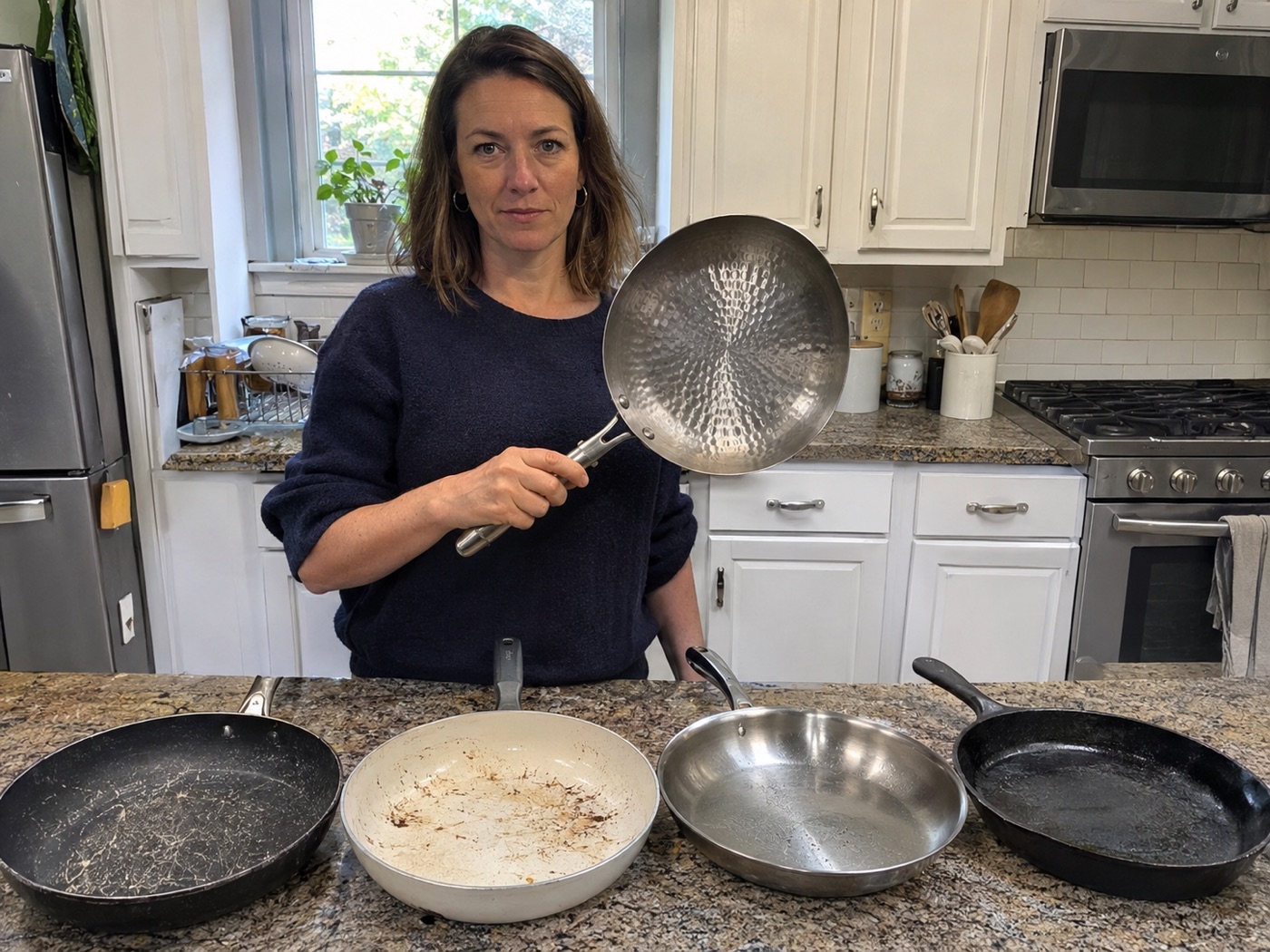
What she found in her daughter’s breakfast made her question the toxic non-stick coating on every pan in her kitchen. So she put five types of pans through the same 5 tests. One winner, and it is the only pan she still cooks with for her family.

Updated 14 November 2026.
It started with my daughter's breakfast.
At home I buy organic eggs and read every label. If I do not know what something is, we do not eat it.
I spent years worrying about what was in our food. I never once looked at the pan I cooked it in.
So when my daughter pushed her scrambled eggs away and asked, “Mum, what are the black bits?”, I had no answer.
I had not used pepper. The eggs were organic. The butter was just butter.
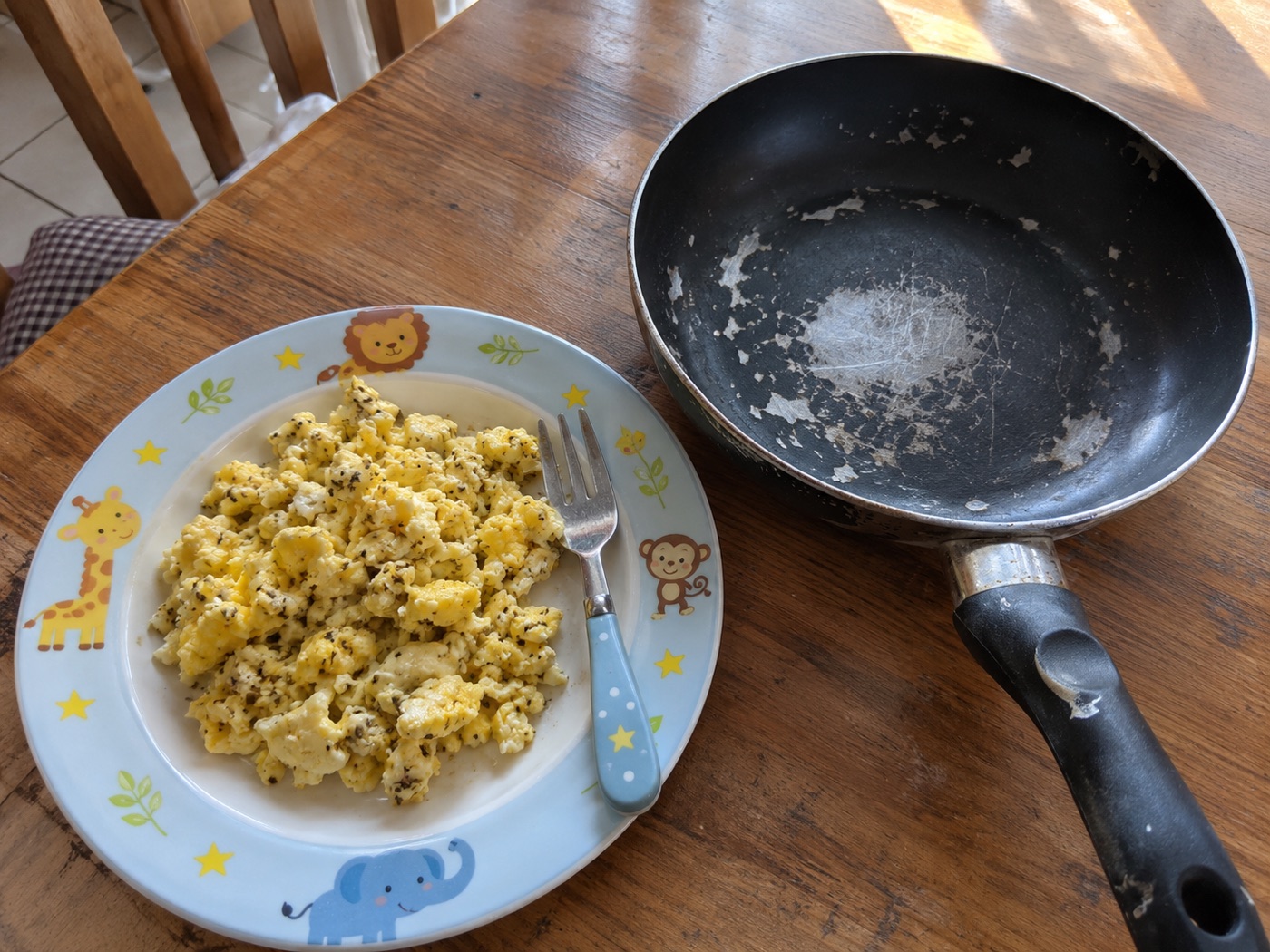
Then I looked at the pan. It was our third non-stick pan in six years. The cooking surface was scratched and worn, and the chemical non-stick coating was missing in patches.
I had noticed the damage months ago and kept using it. I just added a little more butter each time, because the non-stick was not working like it used to. I never asked myself where the missing coating had gone.
That is when it clicked. It was not the food. It was the pan.
My daughter was eating the chemical coating with her eggs.
Does your pan look like mine did?
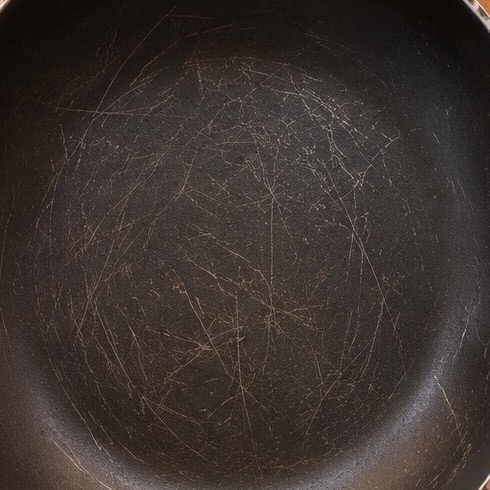 Scratches
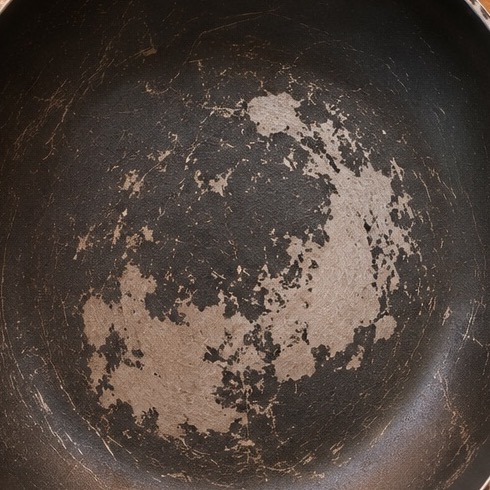 Worn patches
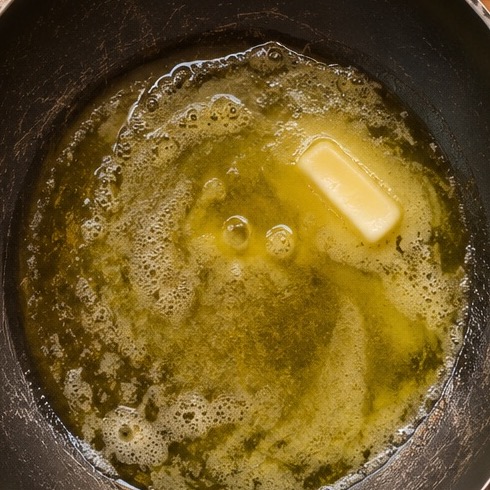 Needs more oil
Most non-stick pans are coated with PTFE, a chemical from the PFAS family. When the coating scratches, small pieces come off and end up in your food.
Studies link PFAS chemicals to:
I wanted a safe pan. But which one?
5 pans. 1 year. The same 5 tests.
- ChemicalsWhat is it made of? Can bits get into our food?
- Non-stick & everyday useDo eggs lift off with a little oil? Is it easy to wash?
- Heat & nutrientsDoes food cook evenly, or burn in one spot?
- PriceWhat does it cost over the years?
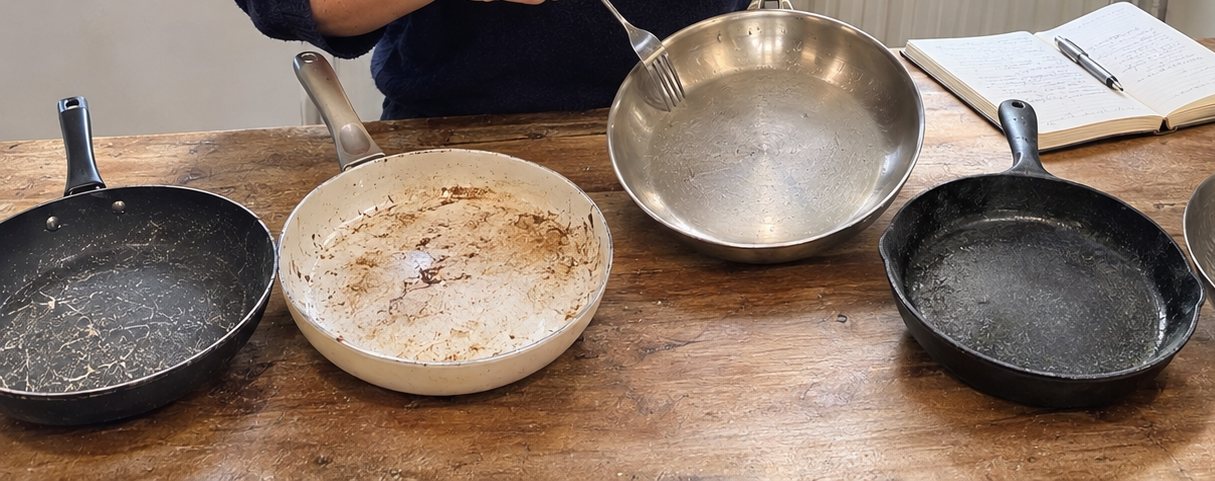
- The Fork Test50 strokes with a metal fork, then I fried an egg. Did anything come off? Did the egg still lift off?
Every pan fell short somewhere. Except one.
Non-stick (Teflon)
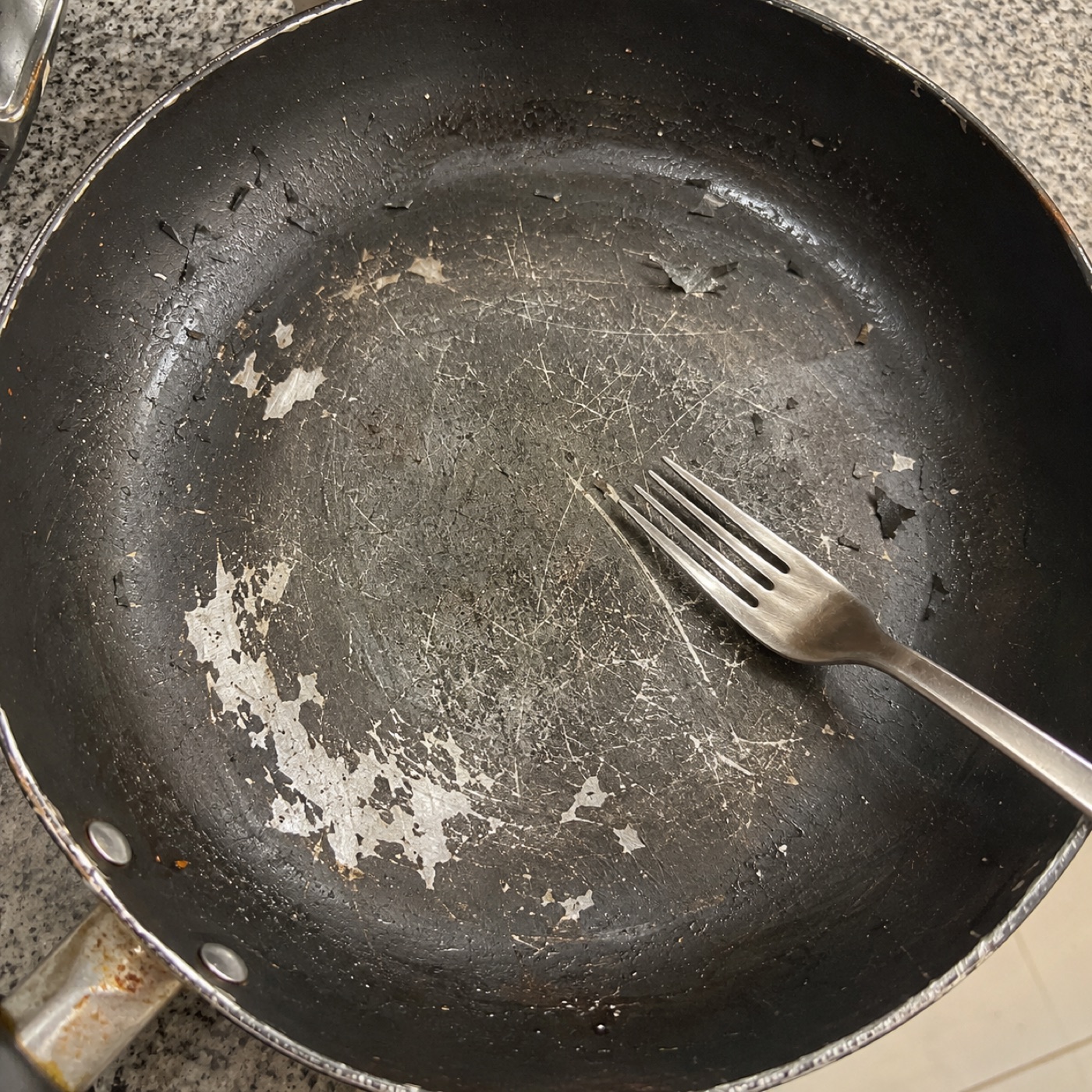
A common pan. The one I trusted, too. But its coating contained PTFE.
A chemical non-stick coating made with PTFE, a PFAS “forever chemical”. It slowly scratched, wore off and flaked into our food.
Eggs slid off at first. By month eight, they stuck where the chemical coating had worn off.
This pan heated unevenly. PTFE also releases harmful fumes when severely overheated.
Cheap to buy. But if it needs replacing every 1–2 years, the cost adds up.
Failed. The coating scratched and flaked.
VerdictThe PTFE coating failed my scratch test. With my daughter’s wellbeing in mind, I will never use this pan again.
Ceramic-coated
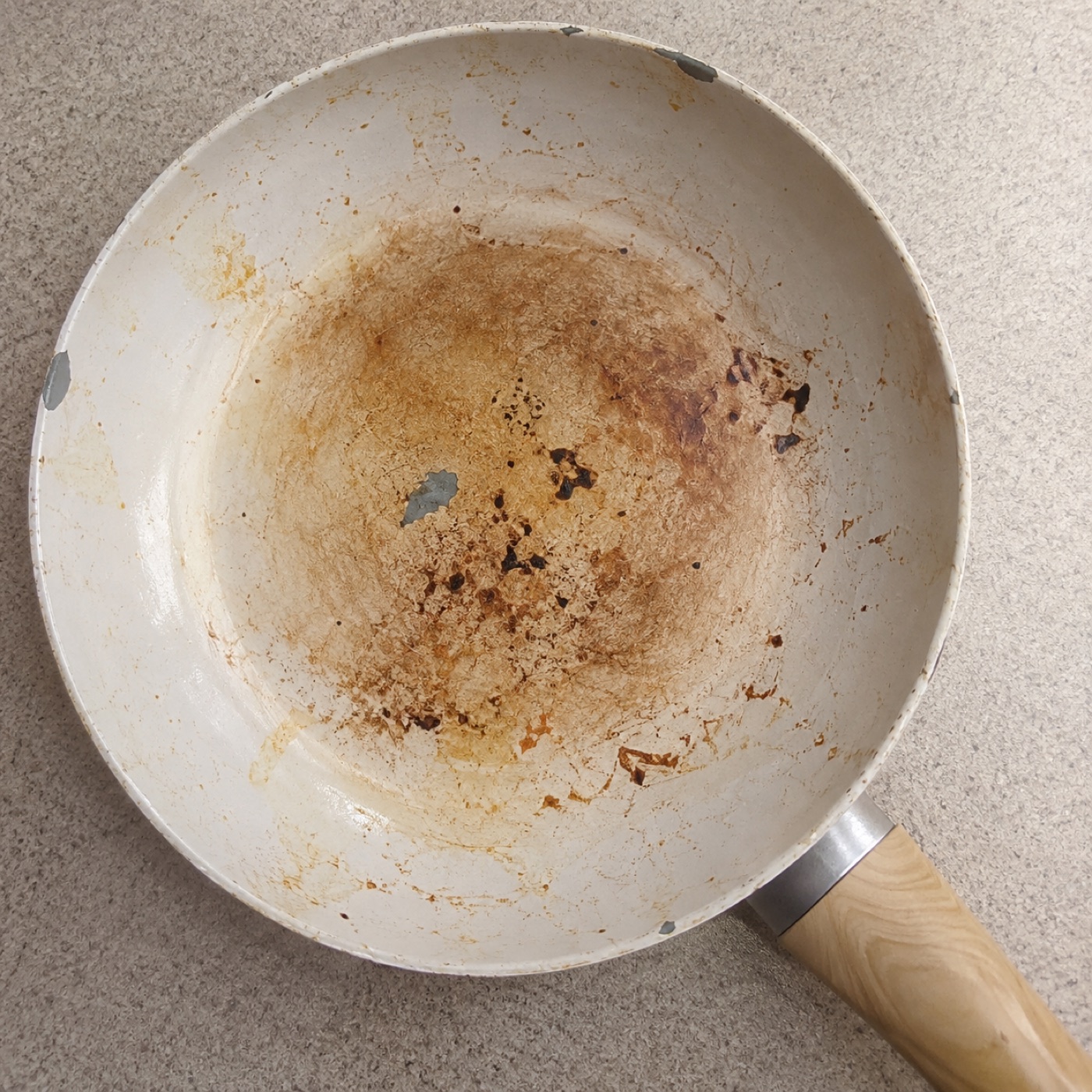
Sold as the healthier choice. But it still relied on a coating.
No PTFE. But the ceramic coating chipped in the Fork Test, leaving bare aluminium under our food.
Eggs slid off at first. By month three, food stuck and it was harder to clean.
This pan heated fairly evenly, with fewer hot spots than the Teflon pan.
More expensive than Teflon. If it only lasts a year, replacing it adds up.
Failed. The coating chipped.
VerdictNo PTFE, but the coating still failed my scratch test. I wanted a pan I could trust beyond its first few months.
Stainless steel
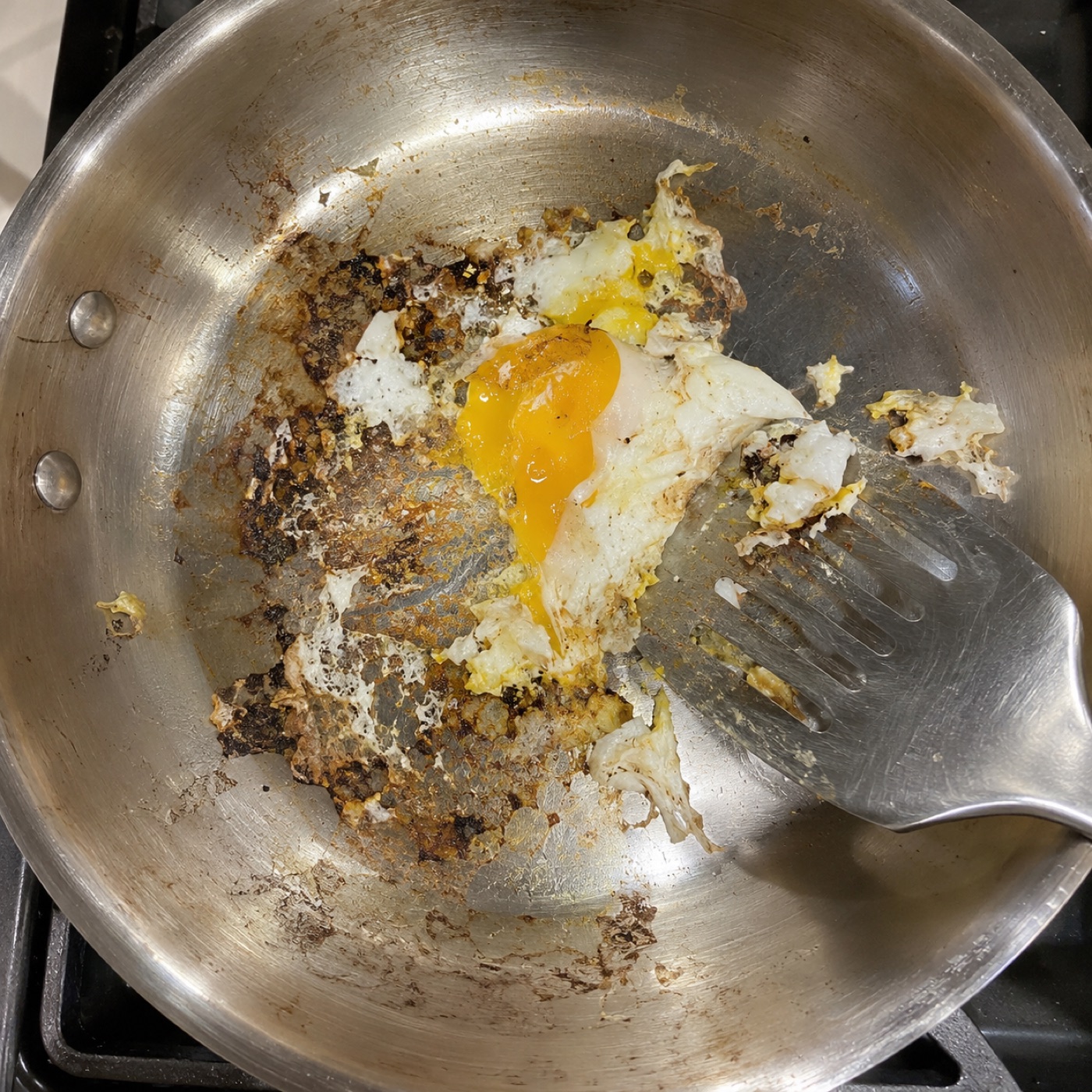
No coating. But hard to cook with.
No coating to flake. But small amounts of nickel and chromium can transfer into food, especially during long cooking with acidic foods.
Stainless steel takes skill. Eggs and fish stuck, I needed more oil, and it was harder to clean.
This pan heated unevenly. Some spots burned the food while others barely cooked.
Built to last for years. No worn coating forcing me to replace the whole pan.
Nothing came off, but the egg stuck.
VerdictNo coating to fail my scratch test. But I wanted an easier pan for everyday family meals.
Cast iron
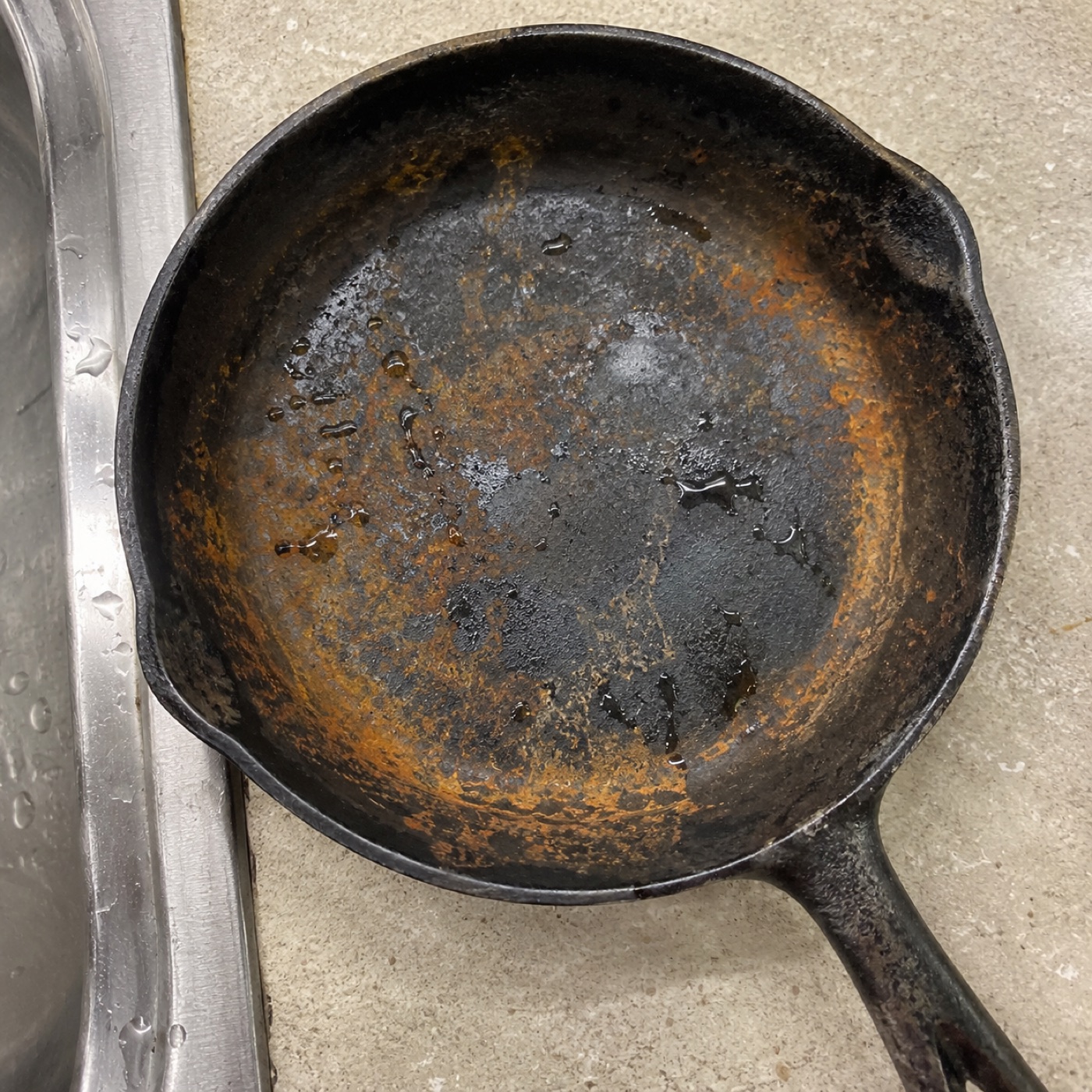
Back to what our grandmothers used. Heavy metal, and a lot of work.
No PTFE coating. But iron can leach into food, especially acidic dishes like tomato sauce.
Heavy to lift and hard to maintain.
Slow to heat up and heated unevenly.
Can last for decades, but hard to maintain.
Nothing came off, but the egg stuck.
VerdictPassed my scratch test. But for me, the weight and upkeep outweighed the benefits.
The Pattern
Chemical non-stick coatings that scratched and flaked. Pans that wore out far too quickly. Others that were difficult to use or maintain.
I wanted a pan I could feel safe cooking with. Easy to use. Built to last.
You didn't ruin those pans. They were never built to last.
Halden Hammered Titanium
The only pan I still let my daughter cook with.

No chemical coating.
There is no coating to peel off. The cooking surface is titanium, a metal also used in medical implants, on a stainless steel base.
When titanium meets air, it forms a thin, stable oxide layer. That layer is why the surface does not rust, does not react with acidic food like tomato sauce, and re-forms by itself after a scratch.
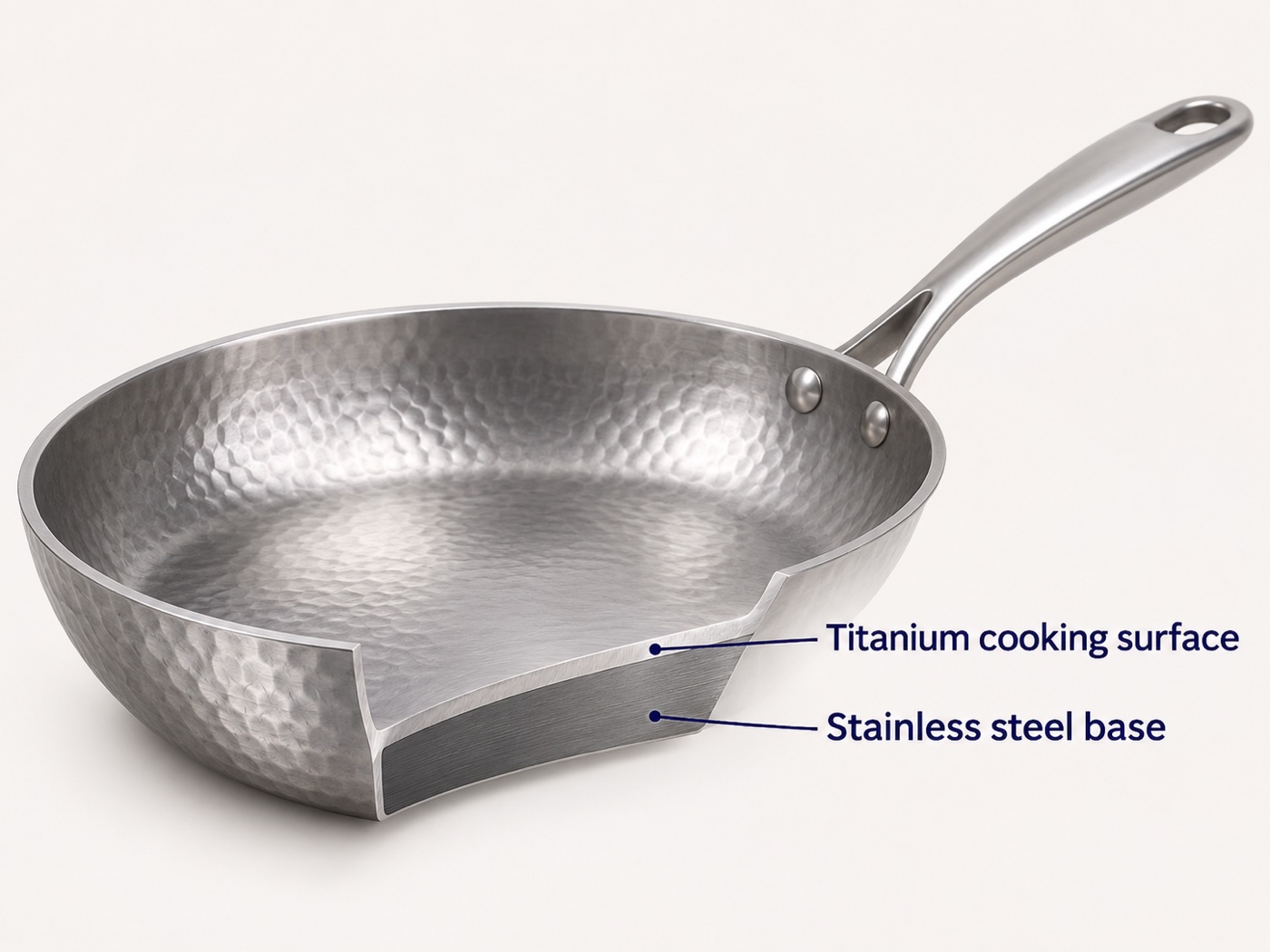
Throughout the entire test.
The hammered surface means food touches less metal, so you need less oil. Heat the pan for 90 seconds, add a little butter, and food lifts off more easily. There is no coating to scratch, peel, or wear away.
Nothing burnt. Evenly heated.
Titanium doesn't react with acidic foods, so it doesn't leach metals into your food. Even heat distribution helps food cook evenly while preserving its nutrients.
Built to last.
To be honest, Halden costs more upfront. But buying a cheap pan every couple of years costs more in the end. A pan built to last pays for itself. I see it as an investment in my family’s health.
Built for years of everyday cooking, on the hob or in the oven. Dishwasher safe and safe with metal utensils.
Nothing came off.
After 50 strokes with a metal fork, the egg still lifted off.
Final VerdictHalden was the only pan that passed all my tests. And the one I chose to cook for my family every day.
Get your offer nowFree shipping. 30-day money back. Lifetime warranty.
All five pans, side by side
| Halden | Non- stick | Ceramic | Stainless | Cast iron | |
|---|---|---|---|---|---|
| Chemicals | |||||
| Everyday use | |||||
| Heat | |||||
| Price | |||||
| Score | 9.7 | 2.0 | 3.5 | 5.5 | 5.0 |
Over 3,000 families have already made the switch to Halden


"No more checking the surface for scratches before I cook for the kids."

"I cook everything on medium now. Vegetables stay green and nothing catches in the middle."

"Fried eggs with a little butter. They slid onto the plate. I did not expect that from a pan with no coating."

"It cost more than I wanted to spend. I have not bought a pan since."
The only pan that passed the Fork Test. Now up to 50% off.
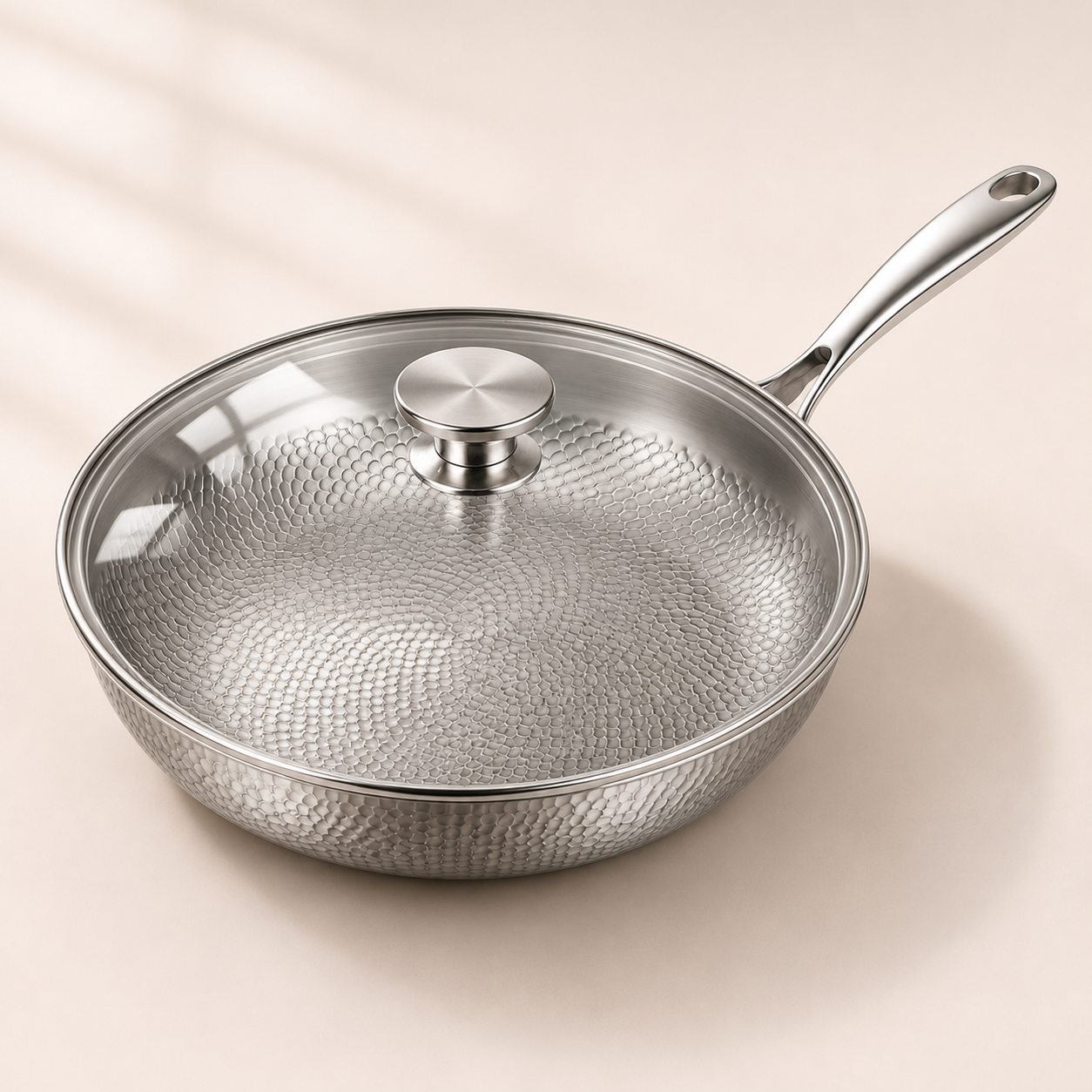
This is the pan I fry my daughter’s eggs in now. No coating to scratch. No black bits.
Free with every pan
- Do your own Fork Test at home. 30 days to cook with it, money back if you do not love it
- Free shipping on every order
- Lifetime warranty
Gas, electric, ceramic and induction. Sizes 20 to 30 cm.
The last pan you will ever buy
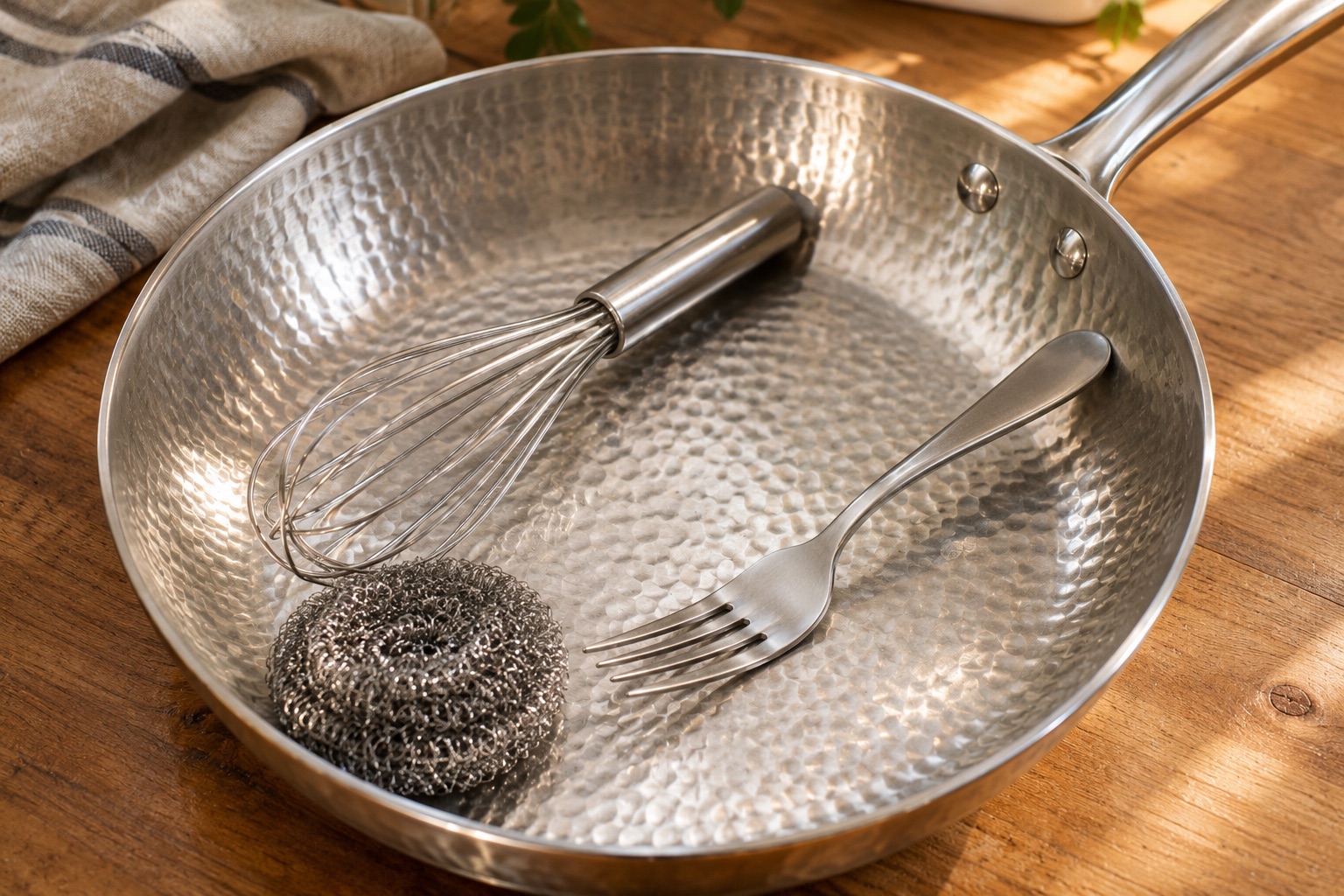
After a year of daily cooking, my Halden still looks and cooks like it did on day one.
No coating to wear out. No flakes in your food. No new pan to buy next year.
This is the best pan I have ever owned, and the only one I expect to still use in ten years.
Buy it once. Cook on it for years.
Before you decide
Is it really free of PFAS, PTFE and PFOA?
Yes. There is no coating, so there is nothing for them to be in. The lab report is on the product page.
Will my eggs stick?
Not after 90 seconds of preheating and a little oil or butter. Flick a drop of water in the pan: if it dances, the pan is ready.
Can I use metal utensils and the dishwasher?
Yes to both. There is no coating to protect.
What if I do not like it?
Send it back within 30 days for a full refund, also if you have cooked with it.